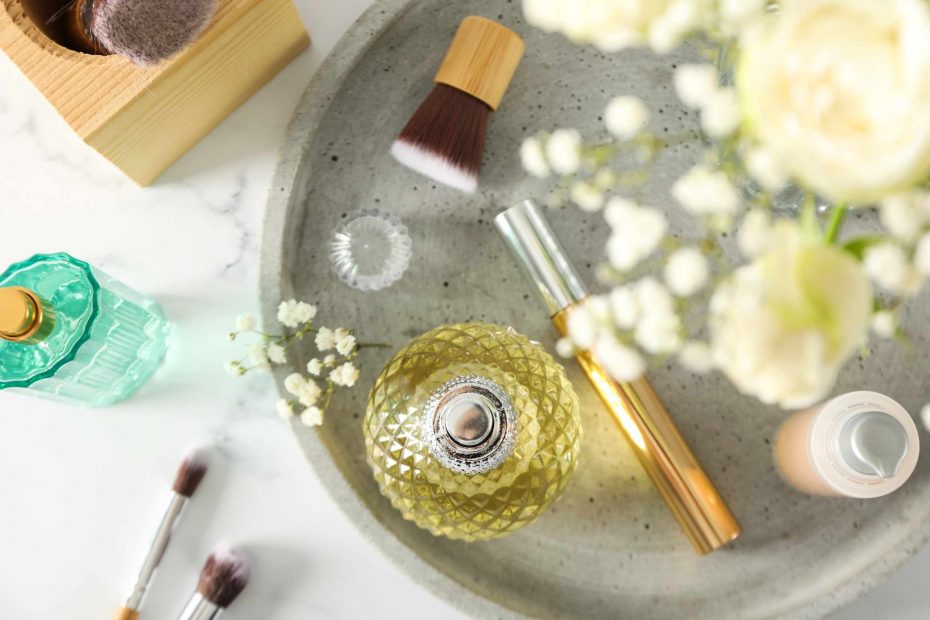
A long routine can look great on a display tray, but it can be tough on the skin and tough on the learner too. It could have several products claiming to hydrate, brighten, smooth, comfort, or feel fresh, yet the face is only getting layers. Too many products added all at once means the learner can’t tell which product actually helped, which product left a residue, and which product left the skin feeling tight or hot.
Product overload starts well. It begins with a desire for completeness in the routine. So, the cleanser, followed by toner, serum, serum, mask, exfoliation, moisturizer, and one more active product because it’s there. The problem is not curiosity. The problem is that each added layer creates another possible reaction, texture change, or irritation signal. To learn, the fewer products, the better.
A safer way to build a routine is to choose one main purpose for the session. If the skin looks dry and feels tight, the purpose may be gentle cleansing and comfort. If the skin looks oily but not irritated, the purpose may be a clean finish without harsh rubbing. If the skin feels sensitive, the purpose may be to keep the routine minimal and avoid extra active products. The purpose should guide the product choice, not the other way around.
Before applying anything, place only the selected products on the clean tray. We can use cleanser, moisturizer, and sun-care products for a daytime setup, or cleanser, hydrating products, and moisturizer for a bedtime setup. If a mask is included, remove a serum or exfoliating step unless there is a clear reason to keep it. With these few products, a beginner can learn a routine order without having to perform all of the products on every tray.
One way to tell if you’re using too many products is how the skin feels. When you feel sticky, or heavy, or feel that you have to rub, then you’re using too many products. This rubbing doesn’t always fix the problem. This might mean to stop putting more layers, and keep track of what you use, and then see how the skin feels. And an aftercare note could record the product types, the order, the amount, and any skin changes you see or feel.
One way to learn is through careful labeling of products. Read the label, and look for the purpose and warnings before putting it in the routine. If two products are used for the same thing, try one instead. If a product contains stronger active ingredients and the skin already looks red or sensitive, leave it out of the practice. And keep patch-testing in mind, especially with new products.
And one final check question we can use during setup is: “Can I explain why this product is here?” If you can’t answer, then remove one of them. This kind of basic skin-care routine should allow enough room to observe the skin, control the pressure, time the mask, and know the result. And cosmetology should not be measured in how many products are used. It should be measured by how well the products fit the skin.